
Menopause and Bone Health: How to Protect Your Bones After 40
Menopause is a normal stage of life, but it brings changes that many women in Pakistan are not prepared for, including a faster loss of bone strength. The good news is that simple daily habits can help protect your bones. This guide explains what menopause is, why bones weaken, and what you can do from your 40s onwards.
What is menopause?
Menopause is when your periods stop because your hormone levels fall. The NHS says it usually happens between 45 and 55. The years leading up to it, when symptoms often start, are called perimenopause.
Common symptoms
- hot flushes and night sweats
- difficulty sleeping
- low mood, anxiety or mood swings
- problems with memory or concentration
- joint aches and stiffness
- changes to your periods before they stop
Why bones get weaker after menopause
Oestrogen helps keep bones strong. When oestrogen falls at menopause, bone loss speeds up. Over time this can lead to osteoporosis, where bones become fragile and break more easily. It often has no symptoms until a bone breaks.
How to protect your bones
1. Get enough calcium
The NHS says adults need about 700 mg of calcium a day. Good sources are milk, yoghurt (dahi), cheese, green leafy vegetables and pulses. See our Calcium guide.
2. Keep vitamin D up
Vitamin D helps your body absorb calcium. Get some midday sun, eat eggs and oily fish, and consider a supplement in winter. Read Vitamin D in winter.
3. Stay active
Weight-bearing exercise, such as brisk walking, climbing stairs and light strength exercises, helps keep bones strong. Aim to be active most days.
4. Avoid habits that harm bones
- stop smoking
- avoid alcohol
- keep a healthy weight; being very underweight raises the risk
When to see a doctor
See a doctor if menopause symptoms affect your daily life, if you have bleeding after your periods have stopped for a year, or if you have broken a bone from a minor fall. Your doctor can talk to you about options for symptoms and may suggest a bone density (DEXA) scan.
Calcium and vitamin D at Medlife Healthcare
-
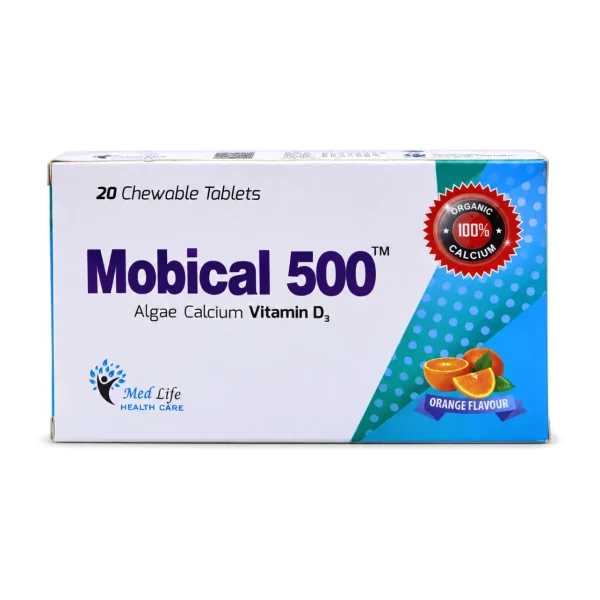 20 Chewable Tablets
Daily Supplements
Mobical-500
Mobical 500 is an orange-flavoured chewable tablet with algae calcium 500…
More about Mobical-500What is Mobical 500? Mobical 500 is an algae calcium food supplement by Medlife Healthcare, in orange-flavoured chewable tablets. Each tablet combines plant-sourced (algae) calcium 500…
Full description of Mobical-500Rs 554 -
Daily Supplements
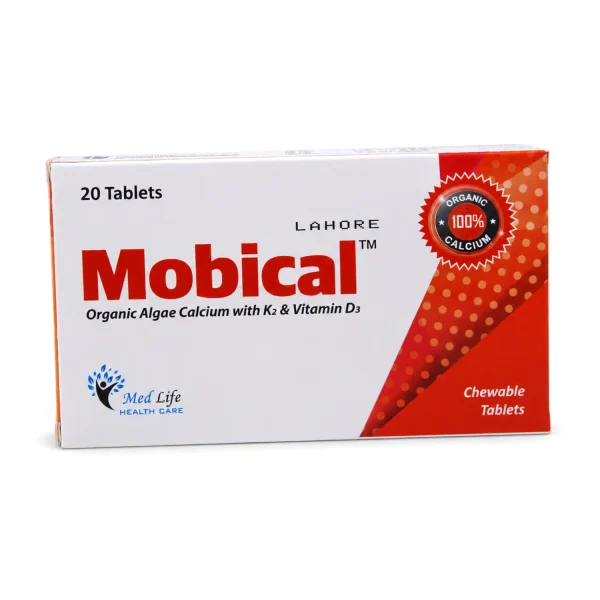
Mobical-750
Mobical 750 is an orange-flavoured chewable tablet with organic algae calcium,…
More about Mobical-750What is Mobical 750? Mobical 750 is the higher-strength algae calcium chewable by Medlife Healthcare. Each orange-flavoured chewable tablet combines organic algae calcium with magnesium, vitamin…
Full description of Mobical-750Rs 740 -
Daily Supplements
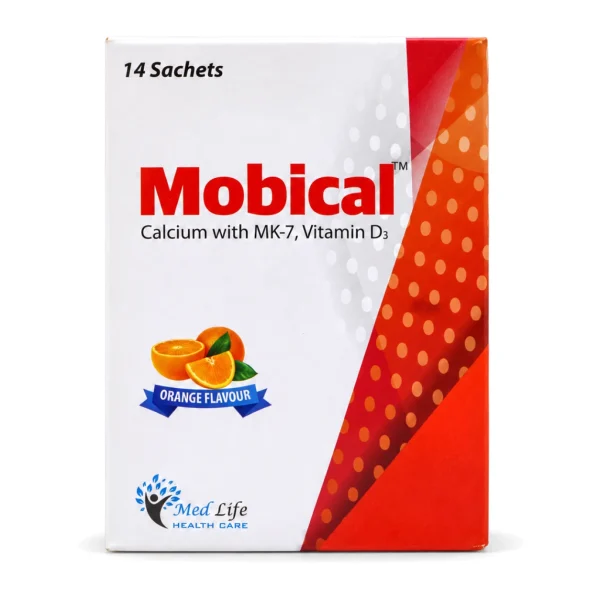
Mobical Sachet
Mobical Sachet is a calcium drink-mix with calcium 1000 mg, phosphorus…
More about Mobical SachetWhat is Mobical Sachet? Mobical Sachet is a calcium food supplement by Medlife Healthcare in powder sachets. Each sachet gives calcium 1000 mg with phosphorus, vitamin…
Full description of Mobical SachetRs 652 -
Daily Supplements
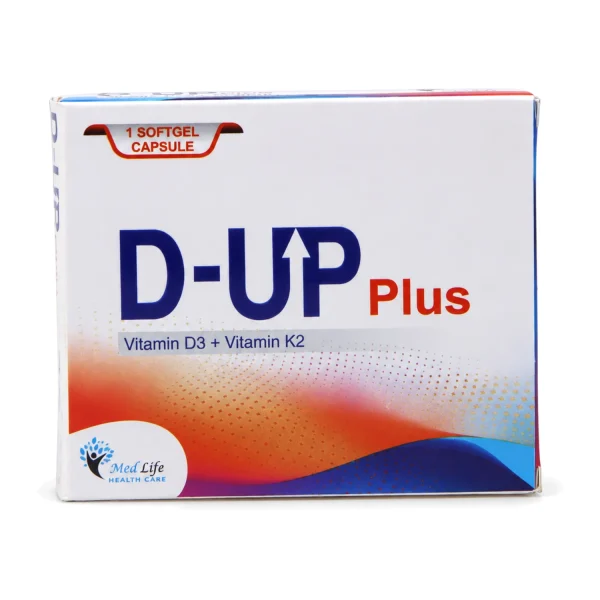
D-UP PLUS
D-UP Plus is a vitamin D3 and vitamin K2 capsule by…
More about D-UP PLUSWhat is D-UP Plus? D-UP Plus is a food supplement by Medlife Healthcare that combines vitamin D3 with vitamin K2 in a capsule. What are the…
Full description of D-UP PLUSRs 429
- Mobical 500 (Rs 554): algae calcium 500 mg with vitamin D3, magnesium and zinc per chewable tablet. The pack gives 1 tablet morning and evening.
- Mobical 750 (Rs 740): algae calcium 750 mg with vitamin D3 500 IU, vitamin K2 and magnesium per chewable tablet. The pack gives 1 tablet morning and evening, or as directed by the physician.
- Mobical Sachet (Rs 652): calcium 1000 mg with phosphorus, vitamin K2 and vitamin D3 1000 IU per sachet, as a drink. The pack gives 1 to 2 sachets daily.
- D-UP Plus (Rs 429): vitamin D3 with vitamin K2 in a capsule. Take as directed on the pack or by your healthcare provider.
Calcium is needed for the maintenance of normal bones, and vitamin D contributes to normal absorption of calcium. Ask your doctor before starting supplements, especially if you take other medicines. Delivery is a flat Rs 200 anywhere in Pakistan, with cash on delivery.
Frequently asked questions
Why do bones get weaker after menopause?
After menopause the body makes less oestrogen, a hormone that helps protect bones. Bone loss speeds up, which raises the risk of osteoporosis and fractures.
How much calcium do women need?
The NHS says adults need about 700 mg of calcium a day, which most people can get from a varied diet. Your doctor may suggest a supplement if your diet is low in calcium or you are at risk of osteoporosis.
Menopause ke baad haddiyon ko mazboot kaise rakhein?
Roz walk aur halki wazan wali exercise karein, doodh, dahi aur sabziyan khayen, dhoop lein, aur smoking chhorein. Calcium aur vitamin D ki zaroorat ho to doctor ke mashwaray se supplement lein.
What is a bone density (DEXA) scan?
It is a quick, painless scan that measures how strong your bones are. Your doctor may suggest one if you have risk factors for osteoporosis or have broken a bone easily.
When should I see a doctor about menopause?
See a doctor if symptoms affect your daily life, if you have bleeding after your periods have stopped for a year, or if you are worried about your bones.
Sources
Nutraceutical products – not for the treatment of any disease. This article is general information, not medical advice. Ask your doctor before starting any supplement.