
Probiotics After Antibiotics: When and Why to Take Them
Antibiotics are important medicines, but they can also upset the gut. Many people in Pakistan get loose motions or a stomach upset during a course of antibiotics. This guide explains why, where probiotics fit in, and how to take them sensibly.
Why do antibiotics upset the stomach?
Antibiotics kill harmful bacteria, but they can also affect the friendly bacteria that live in your gut. The NHS lists diarrhoea, feeling sick and tummy discomfort among the common side effects of antibiotics.
What are probiotics?
Probiotics are live bacteria and yeasts that are similar to the friendly bacteria in the gut. Prebiotics, such as FOS, are fibres that these bacteria feed on.
Do probiotics help after antibiotics?
The NHS says there is some evidence that probiotics may help reduce diarrhoea linked to antibiotics, but the evidence is mixed and not all products are the same. Probiotics are generally considered safe for most healthy people.
How to take a probiotic with antibiotics
- finish your antibiotic course exactly as your doctor prescribed
- many doctors suggest taking the probiotic a few hours apart from the antibiotic dose
- continue for a few days after the course ends, if your doctor agrees
- drink plenty of fluids if you have loose motions
- follow the dose on the probiotic pack
When to see a doctor
Contact your doctor if diarrhoea is severe, has blood in it, lasts more than a few days, or you have a high fever or bad tummy pain. Also check with your doctor before taking probiotics if you have a weak immune system, are seriously ill, or for young children.
Probiotic sachet at Medlife Healthcare
-
- Best Seller
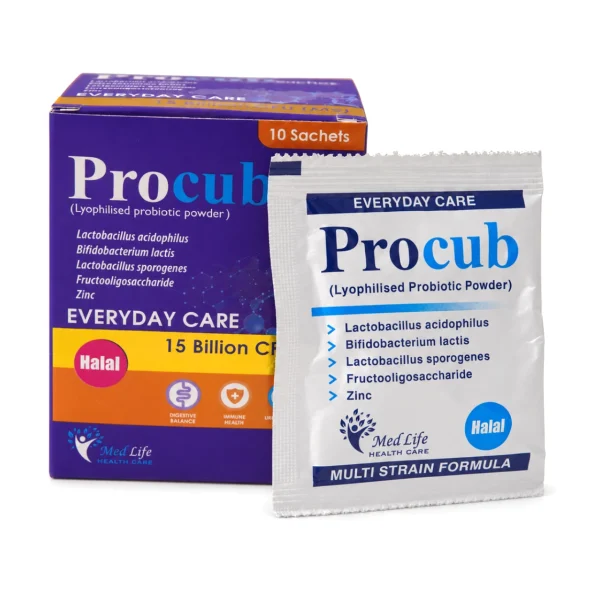 10 Sachets
Child Care
Procub Sachet
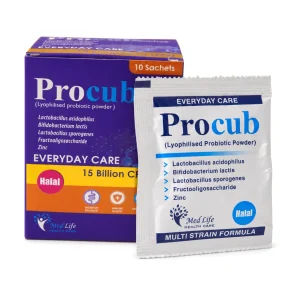
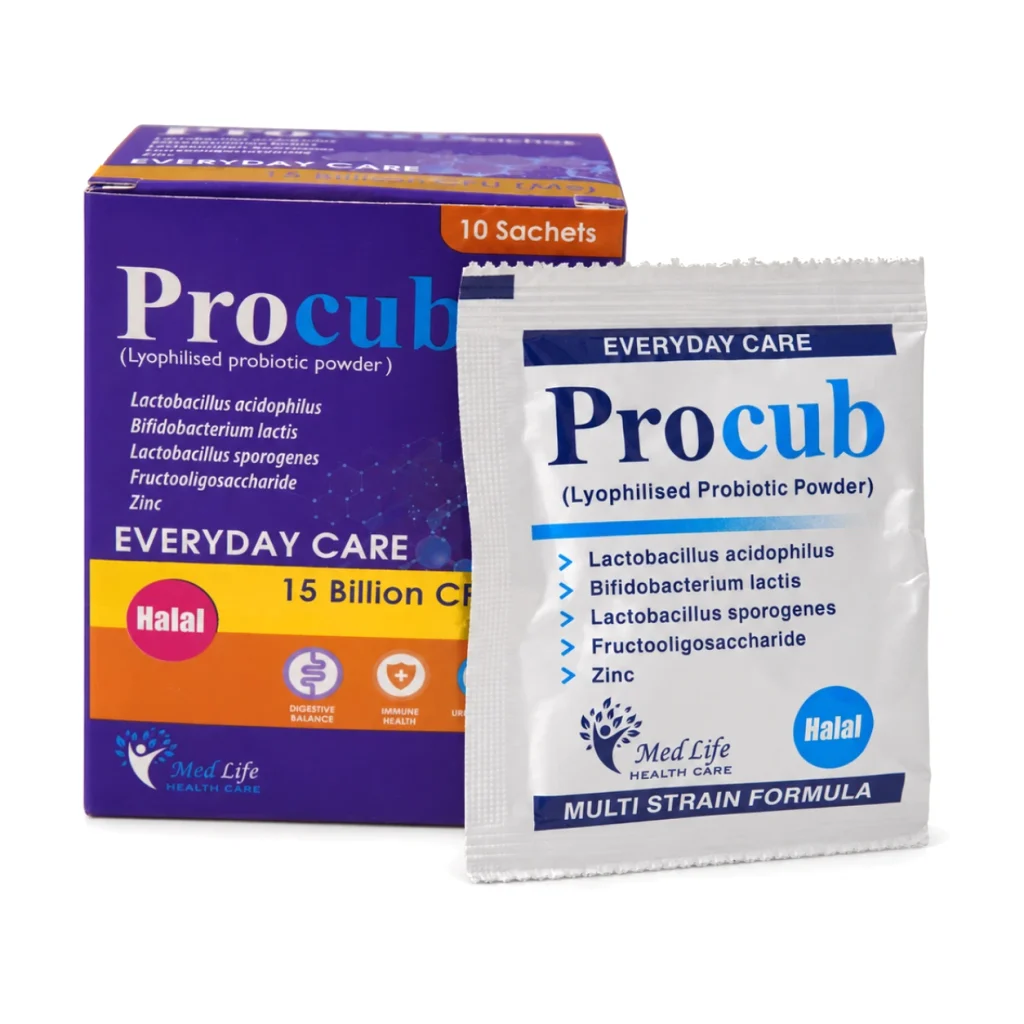
Procub is a lyophilised probiotic powder sachet with 15 billion CFU…
More about Procub SachetWhat is Procub? Procub is a probiotic and prebiotic food supplement by Medlife Healthcare. Each 2 g sachet of lyophilised (freeze-dried) powder contains 15 billion CFU…
Full description of Procub SachetRs 1,290
Procub Sachet (Rs 1,290) is a probiotic and prebiotic food supplement. Each 2 g sachet contains 15 billion CFU of three strains (Lactobacillus acidophilus, Bifidobacterium lactis, Lactobacillus sporogenes), FOS 50 mg as a prebiotic, and zinc 20 mg. Zinc contributes to the normal function of the immune system. The pack is marked Halal.
The pack directs 1 to 2 sachets twice daily, or as directed by your healthcare provider. For children, use only as a doctor advises. Delivery is a flat Rs 200 with cash on delivery. Read more in our Probiotic sachets guide.
Frequently asked questions
Can I take a probiotic with antibiotics?
Yes, many people do. Many doctors suggest taking the probiotic a few hours apart from the antibiotic dose. Always finish the antibiotic course as prescribed.
Do probiotics stop diarrhoea from antibiotics?
The NHS says there is some evidence they may help reduce antibiotic-related diarrhoea, but the evidence is mixed. See a doctor if diarrhoea is severe or lasts more than a few days.
Antibiotic ke saath probiotic kab lein?
Aam tor par antibiotic ki dose se 2 se 3 ghante ke faasle par. Course poora karein aur pack ki dose ke mutabiq lein. Shak ho to doctor se poochein.
What is the difference between a probiotic and a prebiotic?
Probiotics are live friendly bacteria. Prebiotics, such as FOS, are fibres that feed those bacteria.
Who should not take probiotics without advice?
People with a weak immune system, people who are seriously ill, and young children should ask a doctor first.
Sources
Nutraceutical products – not for the treatment of any disease. This article is general information, not medical advice. Ask your doctor before starting any supplement.